Western Noir and Weird Western: When the Old West Turns Unsettling
Western noir keeps the dust, revolvers, and isolated towns of the traditional western but replaces clear heroism with doubt, compromised motives, and conflicting accounts. Weird western goes further by allowing something uncanny or impossible to enter that already unstable world.
The short version
Western noir combines western imagery with crime fiction, psychological tension, and unreliable perspectives. Weird western adds supernatural, speculative, or quietly impossible elements. The blend works best when the mystery grows from character and observation rather than a sudden unexplained spectacle.
Why noir belongs in the Old West
A classic western offers visible conflict: two opponents, one street, and a decisive action. Noir asks what people conceal, how memory bends under pressure, and whether an official account can ever be complete. The combination produces stories in which the external event appears simple while motive and causation become increasingly uncertain.
Isolation strengthens the effect. A small town has few witnesses, old grievances, and limited neutral authority. A deputy, saloonkeeper, undertaker, or relative sees only part of the truth. That limitation creates tension without requiring constant pursuit or gunfire.
What makes a western weird
A weird western does not need to display a monster. The uncanny may live in an impossible technical detail, a body that does not behave as expected, or separate witnesses pointing toward the same disturbing conclusion. Restraint often gives the unknown more power because readers must complete the pattern themselves.
The speculative element should still belong to the central conflict. Ambition, guilt, revenge, progress, and the desire to exceed human limits are stronger foundations than random strangeness. When the impossible changes the meaning of a character’s choice, it becomes part of the story rather than decoration.
Case files instead of an all-knowing narrator
Statements, transcripts, and official notes turn the reader into an investigator. Contradictions must be compared, and each speaker’s interests matter. The format also avoids heavy exposition because no witness can report more than they observed, understood, or are willing to admit.
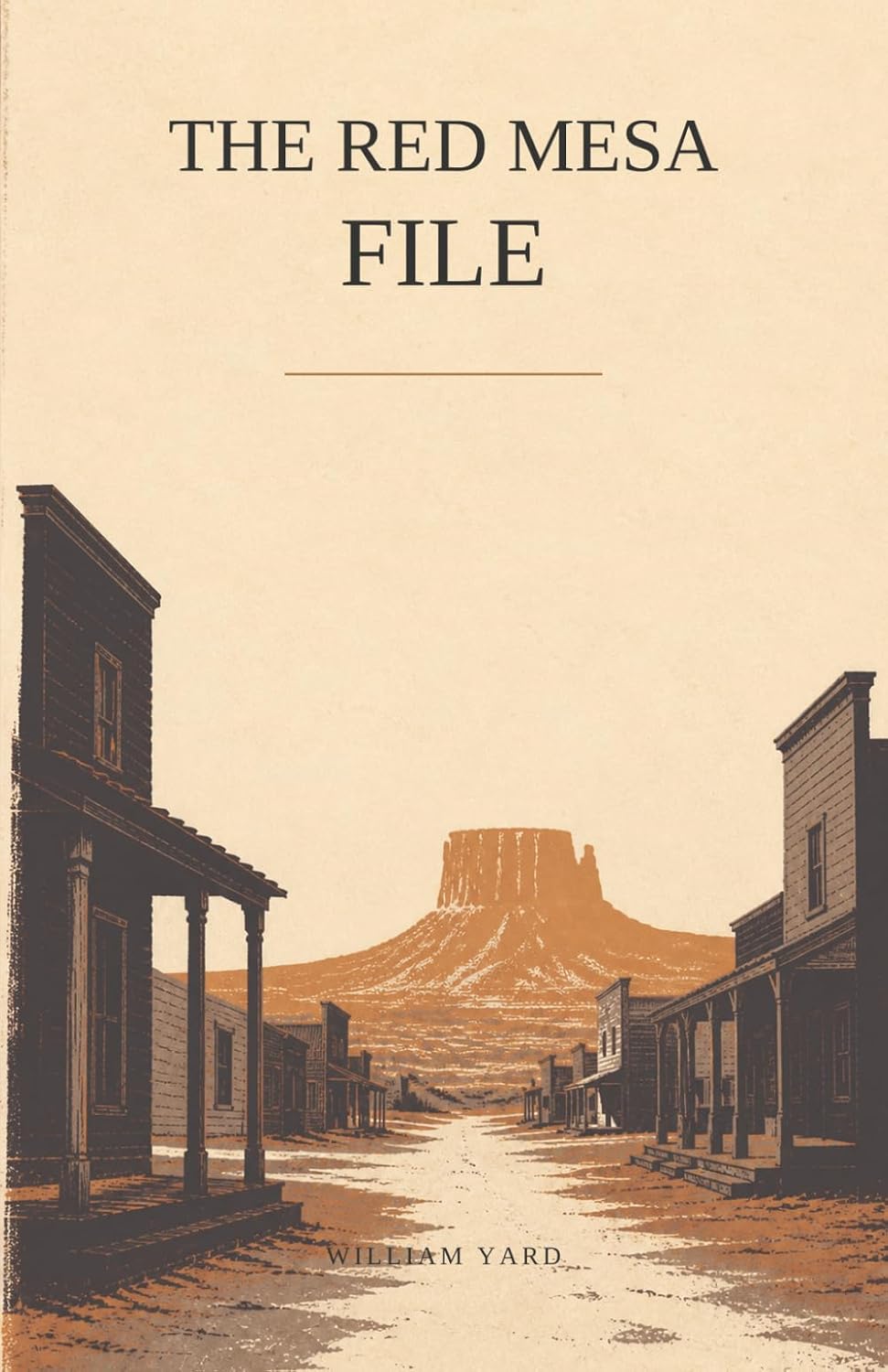
The Red Mesa File reconstructs a fatal duel through five points of view. A father, saloonkeeper, woman, undertaker, and deputy each bring different knowledge and loyalties. No single voice owns the truth; the recurring details across their disagreements become the real evidence.
Who is the genre for?
Western noir suits readers who enjoy crime puzzles, historical atmosphere, compromised characters, and endings that continue working after the final page. Readers expecting an epic frontier saga should check the format, because a short story concentrates on one incident and the pressure surrounding it.
Illustrations can add another route into the setting without closing the imaginative gaps. A few images establish place, objects, and tone, while the essential uncertainty remains in the text. That makes an illustrated weird-western short story a strong choice for a focused one-evening read.
Books that fit this topic
The English Red Mesa edition combines five witness statements, a historical case-file structure, and five atmospheric illustrations.
The Red Mesa File: An Illustrated Western Noir Short Story
An illustrated western-noir mystery built from five conflicting witness statements after a fatal duel in Red Mesa, 1879.
Common questions
Is weird western always horror?
No. It can include horror, but the category also covers mystery, science fiction, alternate history, and other speculative elements.
Do I need to enjoy traditional westerns?
Not necessarily. Readers drawn to noir, mysteries, or unreliable perspectives can enter the genre without deep knowledge of classic western fiction.
What is western noir?
Western noir combines frontier settings with moral ambiguity, crime, psychological pressure, and a darker narrative perspective.
More articles
Illustrated Short Stories: A Complete Book for One Evening
Learn why compact illustrated fiction can deliver a complete reading experience and what to check about length, artwork, and resolution.
Read the article →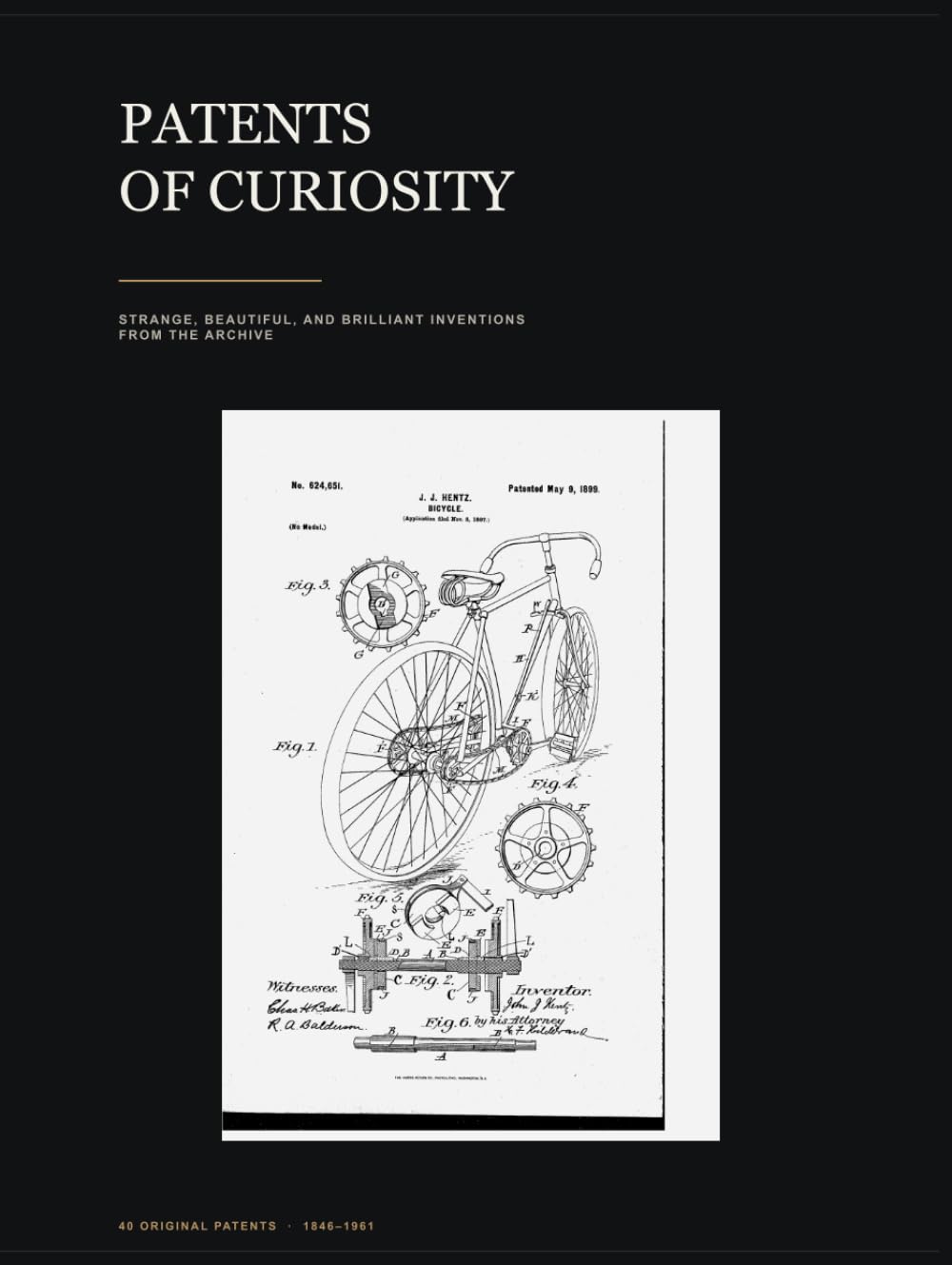
Historical Patents: What Old Drawings Reveal About Invention
Patent drawings reveal the problems, mechanisms, and ambitions of their time. Learn how to read historical patents without an engineering degree.
Read the article →